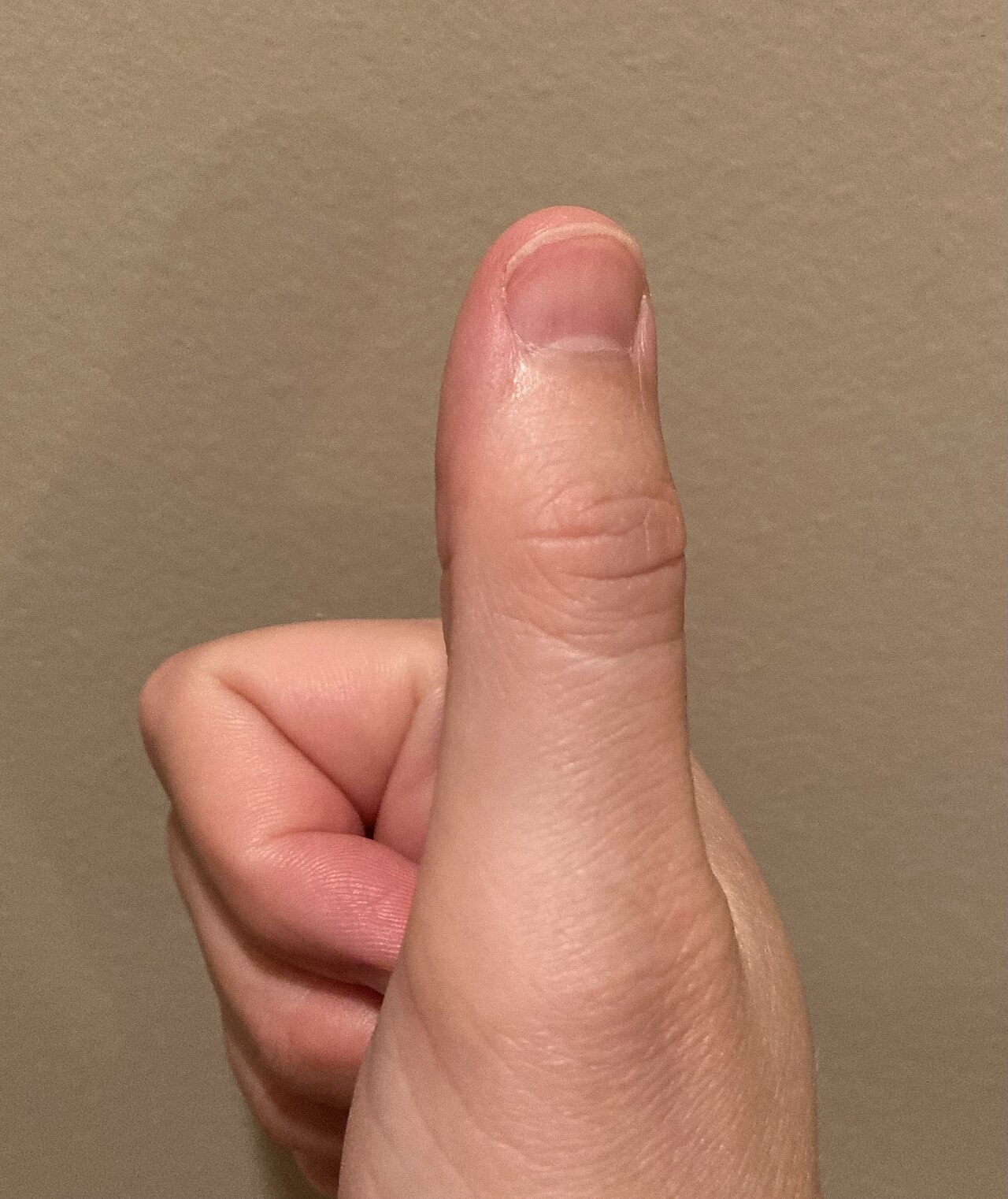
The human hand is a marvel of biological engineering, capable of an astonishing array of tasks, from delicate surgical procedures to powerful grips. At the heart of this versatility lies a single digit that stands apart from the rest: the thumb. Often taken for granted, the thumb’s unique anatomy and functionality are what truly elevate human dexterity, enabling us to interact with our world in profoundly sophisticated ways. While sharing some fundamental characteristics with its neighboring fingers, the thumb, also known as the pollex, possesses distinct features that make it indispensable. Let's delve into what makes this stout digit so special, exploring its structural differences, remarkable mobility, and profound impact on human evolution and daily life.
The Thumb's Distinctive Skeletal Blueprint
At first glance, the thumb appears similar to the other four fingers, a collection of bones joined by hinges. However, a closer look reveals critical anatomical deviations that set it apart. When a person stands in the medical anatomical position (palms facing forward), the thumb is positioned as the outermost digit, a subtle clue to its unique orientation and function.
Fewer Phalanges, Greater Agility
- Phalangeal Count: Perhaps the most striking difference is the number of phalanges. While each of your fingers (index, middle, ring, and pinky) typically comprises three phalanges (proximal, middle, and distal), the thumb features only two: a proximal phalanx and a distal phalanx. This seemingly minor reduction actually contributes significantly to its robust design and unique range of motion.
- Metacarpal Bone: Unlike the other fingers, which connect to their respective metacarpals with less mobility, the thumb’s first metacarpal bone is exceptionally mobile. This increased mobility at the base of the thumb is a cornerstone of its unique capabilities, allowing it to move across the palm in ways the other fingers cannot. Some reports have even suggested alternative views of its structure, but the standard anatomical understanding highlights these two phalanges connected to a highly mobile metacarpal.
The Miracle of Opposability: How the Thumb Moves
The term "opposable thumb" is frequently used, but its true meaning and the complex biomechanics behind it are often overlooked. Opposability is the thumb's ability to flex, abduct, and medially rotate, allowing its tip to touch the tips of the other four fingers. This incredible range of motion is the cornerstone of human grasping, manipulation, and fine motor skills. Without it, many of the tasks we perform daily would be impossible.
Key Joints for Dynamic Movement
The thumb's extraordinary mobility arises from a sophisticated interplay of three primary joints, each contributing to its wide range of motion:
- Carpometacarpal (CMC) Joint: Located at the base of the thumb, this saddle-shaped joint connects the first metacarpal to the trapezium carpal bone. It is the most crucial joint for opposability, enabling a vast range of motion, including flexion, extension, abduction, adduction, and circumduction. This unique saddle shape allows the thumb to pivot and rotate, bringing it across the palm.
- Metacarpophalangeal (MCP) Joint: This condyloid hinge joint lies between the first metacarpal and the proximal phalanx. It permits significant flexion and extension, along with some degree of abduction and adduction, further enhancing the thumb's ability to position itself for precise grips.
- Interphalangeal (IP) Joint: A simple hinge joint connects the proximal and distal phalanges of the thumb. Its primary function is flexion and extension, allowing the thumb tip to bend and straighten, crucial for fine adjustments in grasping and pinching.
Muscles and Tendons: The Power Behind the Movement
The thumb’s powerful and precise movements are orchestrated by a complex network of muscles and robust tendons. These are broadly categorized into two groups:
- Extrinsic Muscles: Originating in the forearm, muscles like the flexor pollicis longus and extensor pollicis longus are responsible for the thumb's gross movements, providing the strength needed for powerful grips.
- Intrinsic (Thenar) Muscles: Located within the hand itself, these muscles form the fleshy mound at the base of the thumb (the thenar eminence). The abductor pollicis brevis, flexor pollicis brevis, and most notably, the opponens pollicis, enable the fine control, rotation, and true opposition that define human dexterity.
These muscles, stabilized by strong ligaments, ensure the Why Your Thumb Accounts for 40% of Hand Function, enabling both delicate pinch grips and powerful power grasps.
Beyond Bones and Muscles: Other Unique Traits
While the skeletal and muscular distinctions are profound, the thumb exhibits other characteristics that differentiate it from its fellow digits.
- Broader Distal Phalanx: The distal phalanx of the thumb is notably broader than its proximal counterpart, and generally wider than the distal phalanges of the fingers. This increased breadth provides a larger surface area for contact, enhancing its ability to manipulate objects and apply pressure effectively.
- Horizontal Curling: Observe how you make a fist. Your fingers curl vertically towards your palm, while your thumb curls horizontally across it. This unique curling direction is a direct consequence of its opposability and the orientation of its metacarpal, allowing it to "wrap" around objects or meet the fingertips.
- Linguistic Roots: Even the word "thumb" itself carries a hint of its unique nature. Its etymology traces back to the Proto-Indo-European root *_tum_, meaning 'swelling' (related to words like 'tumor' and 'thigh'). This refers to the thumb's distinct stoutness and robust appearance compared to the more slender fingers.
Despite these differences, it's worth noting the thumb does share fundamental features with the fingers, such as a skeleton of phalanges joined by hinge-like joints, a dorsal surface with hair and a nail, and a hairless palmar aspect adorned with distinctive fingerprint ridges.
The Thumb's Indispensable Role in Daily Life and Evolution
The anatomical distinctions of the thumb are not mere biological quirks; they are the foundation of its critical role in nearly every human activity. It is estimated that the thumb accounts for approximately 40% of the hand's overall function, making it paramount for:
- Tool Use: From wielding a hammer to gripping a pen, the thumb's ability to provide counter-pressure against the fingers is essential for stability and control.
- Writing and Fine Motor Tasks: Holding a pencil, threading a needle, typing on a keyboard – these intricate actions rely heavily on the precise pinch grip afforded by the opposable thumb.
- Daily Manipulation: Opening jars, buttoning shirts, picking up small objects, and even holding a cup of coffee all underscore the thumb's constant engagement in our daily lives.
An Evolutionary Marvel
The development of the opposable thumb was a pivotal moment in human evolution. Emerging as a key adaptation in primates, its modern human form solidified around 2 million years ago, coinciding with the rise of the genus Homo. This evolutionary leap directly enabled advanced tool use, precise manipulation, and ultimately, drove hominin development and cultural advancement. It's a testament to the thumb's importance that we can trace a direct line from its anatomical structure to our species' ability to shape the world around us. Learn more about the Evolution of the Opposable Thumb: Key to Human Development.
Practical Implications and Care
Given its immense importance, it's no surprise that thumb injuries or conditions like arthritis can severely impair hand function, highlighting its indispensable contribution. Protecting your thumbs through ergonomic practices (especially with frequent smartphone use or repetitive tasks) and engaging in exercises to maintain strength and flexibility can help preserve this invaluable digit. Simple stretches and gentle strengthening exercises, such as making a fist and extending the thumb or touching the thumb to each fingertip, can significantly contribute to long-term thumb health.
Conclusion
The thumb is far more than just "another finger"; it is a sophisticated, specialized digit that underpins the very essence of human dexterity. With its unique two-phalange structure, highly mobile carpometacarpal joint, and powerful intrinsic and extrinsic muscles, it provides the unparalleled ability for opposition, precise grasping, and manipulation. From its ancient linguistic roots hinting at its stoutness to its critical role in our daily lives and evolutionary journey, the thumb stands as a testament to the intricate wonders of human anatomy, truly earning its place as the hand's primary mechanical unit.